Introduction
The unsent project has become one of the most talked-about emotional storytelling platforms on the internet. Created as a space where people can anonymously share messages they never sent to someone they loved, missed, hated, or regretted losing, the unsent project captures raw human emotion in a unique and artistic way. Millions of users around the world visit the unsent project to read heartbreaking confessions, romantic memories, and emotional truths that were never spoken aloud.
What makes the unsent project so powerful is its honesty. Every submission reveals a hidden emotion that someone could not express directly. From first love to painful breakups, the unsent project reflects universal experiences that many readers instantly relate to. In this blog, you will learn everything about the unsent project, including its origin, purpose, emotional impact, popularity, and how people use it today.
What Is The Unsent Project?
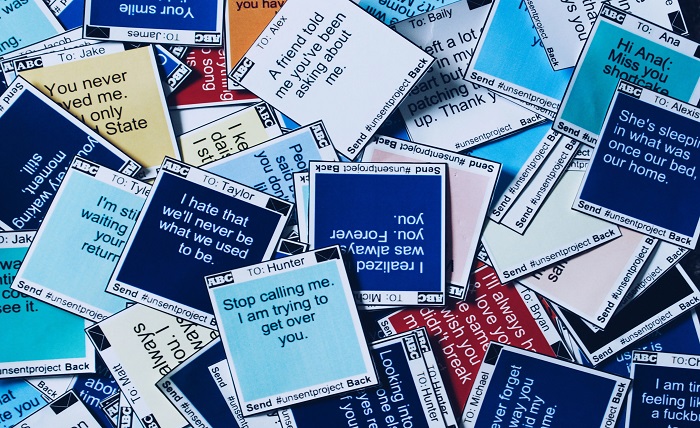
The unsent project is an online collection of anonymous text messages that people never sent to someone important in their lives. These messages are usually connected to love, heartbreak, friendship, regret, or closure. The unsent project allows users to submit their deepest emotions without revealing their identity, making it a safe place for emotional expression.
The unsent project was created by artist Rora Blue as an artistic exploration of love and color. Originally, the unsent project asked participants one simple question: “What color do you associate with your first love?” Over time, the project evolved into a massive archive containing millions of unsent messages from people across the world.
Many people visit the unsent project because it feels authentic and deeply human. Unlike polished social media posts, the unsent project contains raw thoughts that were never filtered for public approval. This honesty is what keeps readers emotionally connected to the platform.
The History Behind The Unsent Project
The unsent project started as a digital art initiative that focused on emotions, memory, and communication. When Rora Blue launched the unsent project, the idea was simple yet emotionally powerful. Participants would anonymously submit messages they wished they had sent to their first love, while also selecting a color that represented that person emotionally.
As the unsent project gained attention online, more people began sharing messages about breakups, friendships, family conflicts, and unresolved emotions. Social media platforms helped the unsent project spread rapidly because readers found the messages relatable and emotional.
The rise of the unsent project also reflects changing internet culture. Modern users increasingly seek emotional authenticity online. The unsent project became popular because it offered a space where vulnerability was accepted rather than judged. Over the years, the unsent project transformed from an art experiment into a worldwide emotional archive.
Why The Unsent Project Became So Popular
One major reason the unsent project became popular is emotional relatability. Almost everyone has experienced feelings they could not express directly. The unsent project gives people a chance to connect with those hidden emotions through anonymous storytelling.
Social media also played a huge role in the success of the unsent project. Viral TikTok videos, Instagram posts, and online discussions introduced millions of users to the platform. People began sharing screenshots from the unsent project because the messages often felt deeply personal and poetic.
Another reason the unsent project attracts readers is curiosity. Users search for names, colors, or emotional categories to discover messages that resonate with their own experiences. Reading the unsent project can feel like reading fragments of real-life love stories and heartbreaks.
The emotional honesty inside the unsent project makes it different from many modern online platforms. Instead of seeking likes or popularity, contributors focus on emotional release and truth. This authenticity keeps the unsent project meaningful to readers worldwide.
How The Unsent Project Works
The unsent project operates through anonymous submissions. Users write messages they never sent and submit them online without revealing personal details. The platform organizes messages using colors, names, and searchable categories, making it easier for visitors to explore emotional themes within the unsent project.
Many users search the unsent project by entering a name. This feature creates emotional curiosity because people wonder whether someone once wrote an unsent message about them. Although most searches are coincidental, the experience still feels deeply personal for many readers.
The color system in the unsent project is also important. Colors symbolize emotional associations connected to relationships and memories. For example, someone may connect blue with sadness, red with passion, or yellow with happiness. These emotional color choices add artistic depth to the unsent project.
The anonymous nature of the unsent project encourages honesty. Since users do not fear judgment, they often share emotions they could never express in real life. This freedom is one of the reasons the unsent project feels emotionally genuine.
Emotional Impact Of The Unsent Project
The emotional impact of the unsent project is one of the main reasons people continue visiting the platform. Reading the unsent project can create feelings of comfort, sadness, nostalgia, hope, or closure. Many users say the messages remind them that they are not alone in their emotional experiences.
The unsent project often helps people process unresolved emotions. Someone struggling with heartbreak may find comfort in reading messages from others who experienced similar pain. In this way, the unsent project functions almost like a shared emotional diary for the internet generation.
Some readers describe the unsent project as therapeutic. Writing an unsent message can provide emotional release, especially when direct communication is impossible or unhealthy. The act of expressing hidden feelings through the unsent project can help users move forward emotionally.
At the same time, the unsent project can also feel emotionally intense. Certain messages contain grief, regret, or deep sadness that strongly affect readers. This emotional realism is part of what makes the unsent project powerful and memorable.
The Role Of Colors In The Unsent Project
Colors are one of the most unique aspects of the unsent project. Every color inside the unsent project represents emotional associations connected to specific memories or people. This artistic feature separates the unsent project from ordinary confession websites.
For many contributors, choosing a color feels symbolic. Someone may select black to represent emotional emptiness or pink to symbolize tenderness and affection. The use of colors allows the unsent project to communicate feelings visually as well as emotionally.
The connection between color psychology and memory also contributes to the popularity of the unsent project. Readers often interpret colors differently based on their own life experiences, making each message feel personal and open to interpretation.
The artistic presentation of the unsent project transforms emotional pain into creative expression. Instead of simply reading anonymous confessions, users experience emotions through a combination of text, design, and symbolism. This visual storytelling style makes the unsent project stand out online.
How Social Media Influenced The Unsent Project
Social media platforms dramatically increased the visibility of the unsent project. Viral TikTok videos featuring emotional messages from the unsent project introduced younger audiences to the platform. Instagram users also shared screenshots that quickly gained attention because of their relatable emotional themes.
The unsent project became especially popular among teenagers and young adults because it reflects modern digital relationships. Many relationships today involve texting, online communication, ghosting, and unspoken feelings. The unsent project captures these experiences in a raw and emotional way.
Influencers and content creators also contributed to the popularity of the unsent project by reacting to messages publicly. This created discussions about love, heartbreak, closure, and emotional vulnerability. As a result, the unsent project evolved into a major online cultural phenomenon.
Another reason social media helped the unsent project grow is shareability. Short emotional quotes from the unsent project are easy to repost, making them highly viral across multiple platforms. Emotional storytelling continues to drive engagement online, and the unsent project perfectly fits that trend.
Criticism And Concerns About The Unsent Project
Although the unsent project is widely loved, it has also received criticism. Some people believe the unsent project can encourage emotional obsession or unhealthy nostalgia. Reading emotional messages repeatedly may make it harder for some individuals to move on from past relationships.
Privacy concerns also exist regarding the unsent project. Even though submissions are anonymous, certain messages contain enough detail that someone could potentially recognize themselves or another person. Critics argue that emotional storytelling should still respect personal boundaries.
Another concern is emotional dependency. Some users spend long periods browsing the unsent project while reliving painful memories. In these cases, the emotional intensity of the platform may negatively affect mental well-being.
Despite these criticisms, many supporters argue that the unsent project provides emotional healing and connection. Like any emotional platform, the experience depends on how individuals engage with it. For millions of users, the unsent project remains a meaningful place for expression and reflection.
Conclusion
The unsent project has become much more than a simple online archive. It represents a global collection of hidden emotions, untold stories, and vulnerable human experiences. Through anonymous messages and emotional color symbolism, the unsent project allows people to express feelings they could never say directly.
The success of the unsent project proves that emotional honesty still matters in the digital age. Readers connect deeply with the platform because its messages feel real, relatable, and deeply personal. Whether someone visits the unsent project out of curiosity, heartbreak, nostalgia, or healing, the experience often leaves a lasting emotional impact.
As internet culture continues evolving, the unsent project remains one of the most unique examples of emotional storytelling online. Its combination of art, vulnerability, and anonymous communication continues to inspire millions of people around the world.
FAQs
1. What is the unsent project used for?
The unsent project is used for anonymously sharing messages that people never sent to someone important in their lives. It allows emotional expression and storytelling.
2. Who created the unsent project?
The unsent project was created by Rora Blue as a digital art project exploring emotions and color associations.
3. Is the unsent project anonymous?
Yes, the unsent project allows users to submit messages anonymously, which encourages honest emotional expression.
4. Why is the unsent project so emotional?
The unsent project contains real human emotions connected to love, regret, heartbreak, and memories, making the messages deeply relatable.
5. Can you search names on the unsent project?
Yes, users can search names within the unsent project to explore messages connected to specific names or emotional experiences.